

What is Gambling Addiction?
Gambling addiction, also known as compulsive gambling or pathological gambling, is a behavioral disorder that compels individuals to engage in gambling activities despite the negative consequences. This condition can lead to severe financial, emotional, and social issues. Understanding the nature of this addiction is crucial for both the individuals affected and their loved ones, as it can significantly disrupt lives and relationships.
The thrill of gambling often comes from the excitement of winning, but for some, this thrill turns into a compulsion. Gamblers may find themselves betting more money than they can afford, leading to debts, isolation, and mental health struggles such as anxiety and depression. Recognizing gambling as an addiction is the first step towards understanding and addressing the problem effectively.
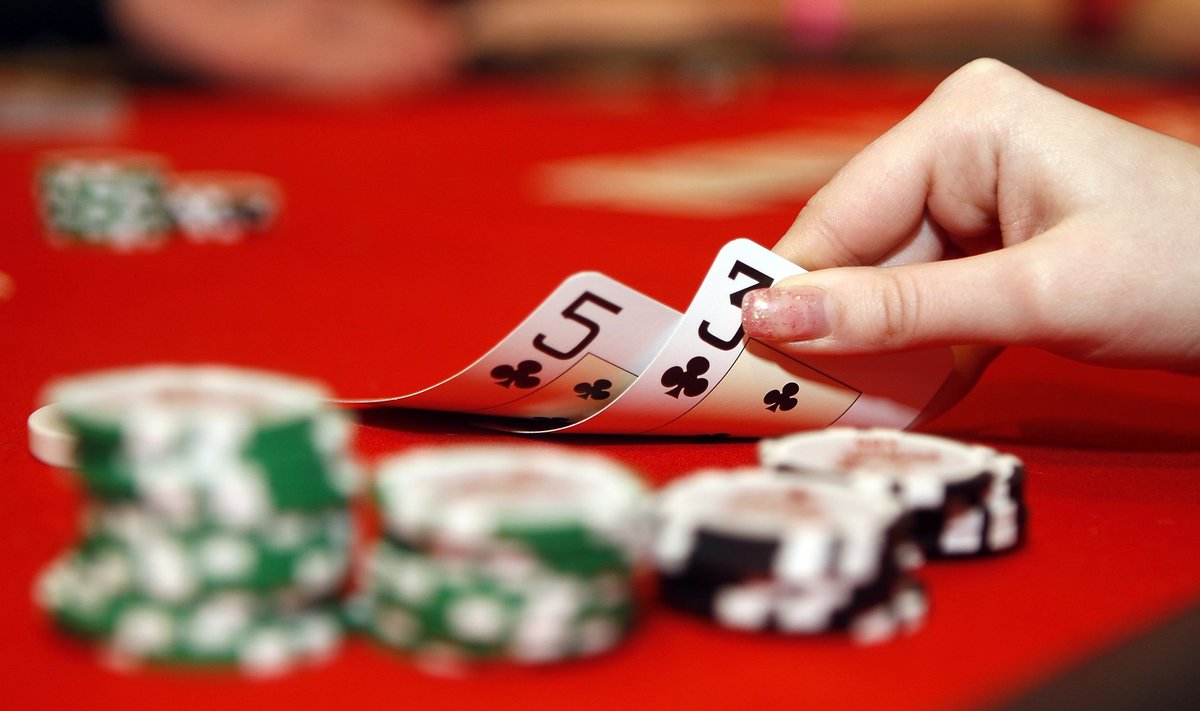
Unlike casual gambling, which many people can enjoy responsibly, gambling addiction is characterized by an inability to stop despite knowing the risks involved. This chronic condition can escalate over time, making it imperative to seek help as soon as warning signs appear. It’s essential to approach the issue with empathy, as those suffering often feel immense shame and guilt about their behavior.
Recognizing the Signs of Gambling Addiction
Identifying gambling addiction can be challenging, as many symptoms can be mistaken for other issues. Common signs include a preoccupation with gambling, where individuals constantly think about betting or plan their next gambling activity. They may also experience restlessness or irritability when attempting to cut down or stop gambling. Emotional highs and lows can become pronounced, impacting personal relationships.
Another critical sign is the tendency to gamble with increasing amounts of money to achieve the same level of excitement. This escalation can lead to severe financial distress, prompting gamblers to borrow money or commit illegal acts to fund their habit. Additionally, the compulsive gambler often minimizes or lies about their gambling behavior to family and friends, causing further isolation and stress.
Physical symptoms can also manifest, such as sleep disturbances, changes in appetite, and chronic stress. Understanding these signs can help friends and family members intervene early, potentially preventing further complications. It’s important to approach those struggling with compassion, fostering an environment that encourages open communication and support rather than judgment.
Impact of Gambling Addiction on Life
The effects of gambling addiction can seep into every aspect of an individual’s life, impacting financial stability, mental health, and relationships. Financial problems are often the most visible sign, as gambling can lead to severe debt, bankruptcy, or even loss of homes. Individuals may find themselves living paycheck to paycheck, yet still unable to control their gambling urges.
Emotionally, gamblers may experience heightened anxiety, depression, and feelings of hopelessness. They might isolate themselves from friends and family, fearing judgment or embarrassment over their situation. These emotional struggles can spiral, leading to a profound sense of despair that can make recovery seem unattainable.
Relationships often suffer as well, with trust eroded between partners, friends, and family members. The constant lies, financial strain, and emotional withdrawal can create a cycle of conflict and resentment. Understanding the profound impact of gambling addiction is vital in supporting affected individuals on their journey toward recovery, allowing for open dialogue about their struggles and potential pathways to healing.
Seeking Help for Gambling Addiction
Recognizing the need for help is a pivotal moment in overcoming gambling addiction. Various treatment options are available, ranging from therapy and counseling to support groups. Cognitive Behavioral Therapy (CBT) has proven effective in addressing the thought patterns that lead to compulsive gambling behavior. This type of therapy helps individuals develop coping strategies and healthier thought processes regarding gambling.
Support groups, such as Gamblers Anonymous, provide a community of individuals who understand the struggles associated with this addiction. Sharing experiences can be cathartic, allowing individuals to feel less isolated in their journey. These groups often follow a 12-step program similar to that of Alcoholics Anonymous, emphasizing accountability and peer support.
Additionally, some may benefit from medications that address co-occurring mental health issues, such as depression or anxiety. It’s essential for individuals to consult healthcare professionals to create a tailored treatment plan that meets their specific needs. Seeking help is a brave step towards reclaiming one’s life and learning to manage gambling behaviors in a healthy manner.
More Resources and Support
If you or someone you know is struggling with gambling addiction, it’s crucial to reach out for help. Numerous resources are available that provide information, support, and treatment options. Educational websites dedicated to gambling addiction can offer valuable insights into understanding the condition and connecting with professionals who can assist in the recovery journey.
Organizations that focus on mental health can also provide comprehensive support services, including counseling and therapy tailored to those affected by gambling. These resources can be instrumental in guiding individuals and their families through the recovery process, offering a sense of hope and community.
Understanding gambling addiction, recognizing its signs, and knowing where to seek help can profoundly change lives. Raising awareness about this issue is vital, as it encourages individuals to seek the support they need while also fostering compassion and understanding within communities. Together, we can work toward a future where those affected by gambling addiction feel empowered to reclaim their lives.